Vanities
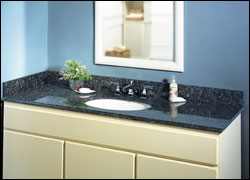
Transform your bathroom with a stylish vanity
A vanity can provide a central focus for your bathroom, both in terms of style and utility. In a spacious bathroom, an ornate, intricately detailed vanity can make the room feel like an entirely different space, while smaller bathrooms will benefit from more practical vanities that feature plenty of storage for toilet paper, cleaning supplies and other bathroom necessities. With a wealth of styles and a wide range of materials to choose from, you’ll have no problem finding a vanity to serve as the centerpiece of a bathroom in a newly built home or to spruce up a tired bathroom in your existing home. You’ll want to choose a vanity that is durable, stylish and maximizes available space, so keep the following questions in mind as you shop:
- What material is the best fit for your bathroom?
- How high would you like the countertop to be?
- How large is your bathroom?
- How much space is available for the vanity?
- Who primarily uses the bathroom?
- Do you prefer a framed or frameless design?
Style, Material and Installation
With so many different types of vanities to choose from, it’s important to consider the primary function it will serve. If it’s being installed into a guest bathroom that’s used less frequently, you can worry less about storage space and focus more on aesthetic appeal. If you’re putting the vanity in a bathroom used primarily for younger children, you’ll want plenty of space to store their favorite tub toys and a color scheme that fits in well with any decorative elements that adorn the wall or mirror. How the vanity is used — and how frequently — will also greatly affect the type of material you should choose. Some materials provide a wide range of colors and design patterns while others ensure durability and stain resistance. Depending on how big the vanity is and how many pieces are involved, installing one can make for a great do-it-yourself project.
Style: Vanities can often be broken down into two types, framed and frameless. Framed vanities resemble kitchen cabinets in their construction and feature a box-like frame. The doors hang on the front of the box, and the unit can be installed without having to butt up against a wall on either side. In some cases, the door and box may be made from different materials, so make sure you provide both with the same stain to ensure a uniform appearance. Frameless, or European, vanities provide a contemporary look. There is no frame and the doors are hung directly on the side of the cabinet. Because these units are generally installed much closer to the wall, bear in mind that you’ll have to leave enough room for doors and drawers to open.
- Determine how frequently and for what the vanity will be used prior to selecting a style and color
- Framed vanities feature recessed end panels and a rigid frame that make them easy to install
- Framed units generally offer a more traditional appearance
- Frameless vanities may feature hidden, easily adjustable hinges
- Leather-wrapped doors, mirrors and ornately carved wood enhance appearance
- Consider the look of other bathroom fixtures when purchasing a vanity
Material: Choosing the right material for your vanity is extremely important to its durability and effectiveness. When it comes to cabinets, look for materials that are sealed to protect against water so they won’t warp. If a wide cabinet features an interior comprised of particle board, make sure it’s thick enough to prevent bowing. For countertops, you’ll need to weigh style and color considerations against the ability to resist scratching, chipping and staining. Listed below are some common materials used in vanity countertops; use the chart to help determine which is right for your bathroom
