Radical modernist
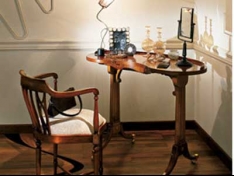
Which style you prefer? Of course, the one that keeps pace with the times, meet the progressive humanity. Not too fussy, but to the extent, radical modernism appears in Europe after the revolution in the leading sectors of material production. For a short time, the style creates a set of directions: in Italy – Liberty in England and Russia – modern, Austria – Secession, and the spoiled French fashion – art nouveau. Modern furniture through art and architecture, book drawing and paintings, appearing on the picturesque ornaments, defines a specific artistic genre. Skillful manner in which progress has played a leading role, decorated the exhibition around the world. But it has gained particular popularity in 1900 at the Paris show.
Nouveau gets high right to form a living space of human early in the new century. The exterior reflects the special forms of the interior. In other words, inside and outside of the house was a single system called “practical aesthetics”. Universal style makes the interior artistic. The walls were adorned with a cloth, on which motives of floral ornament were sparkling, the current line veil decorated with wooden panels and doorways. Flexible column was combined into a single drawing floor and ceiling.
Synthesis, an organic union of ideas and modern comfort in the interior is the main and most significant feature of modernity. Such a connection was indicated between playful Rococo. By what means is the form of progressive interior achieved? Here we see a rich variety of subjects. Cupboards and sideboards, sofas and fireplaces, all maximum freely and naturally, and often architecturally. Japanese motifs enrich ornament, shimmering silver, purple, pale-green shades. The walls as well gain some form: a variety of shelves and elegant niches give the placement aesthetic functionality.
The wide popularity of the style is explained by the fact that any strata of the society could use it. Material, which was used to make furniture, had free range. Furniture was decorated with a simple model glass, of brass or copper, stamped images on plywood. More expensive items were notable for their handmade crystal panels and slicing through the tree. Lack of privileged positions and expanded factory production brought style to the public level.
Eastern and Western philosophy perceived art nouveau differently. If in France decorative arts were dominated, in Russia then, first of all, the master worked on rational construction. It turned out not so nice, but cost-effective. Here the progressive humanity finds both the ease and convenience. Whereas, the originality of style can only envy, as each piece is special and requires strict compliance with the original one.
