Design The Surface With Stencil Paintings
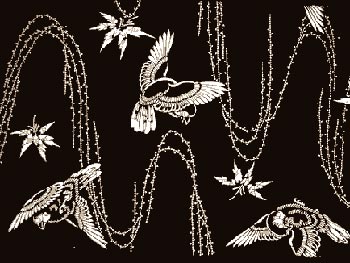
The picture pattern of stencil is one of the most simple and yet effective way of designing a surface. For centuries, this type of creativity was used to decorate homes, churches, fabrics, pottery and tiles. Now stencil painting is the perfect way to give any surface artistic and original shape. Furniture, textiles, wallpaper, interior and exterior walls, wooden and ceramic floors, dishes – all are suitable objects for stencil painting.
It is not known, when the technology for image and paint through the stencil appeared. Every nation has used this method for decor according to their traditions. One of the first images of stencil can be called rock painting (petroglyphs) of prehistoric times, when they used hand as a template. In Argentina, the famous “Cave of the Hands” around its surface is attached to the wall, hands are colored, so the resulting pattern is repeated many times. The earliest evidence of stencil-screen techniques are to I century AD and are located in China in the Thousand Buddha Caves in Dunhuang. They were found silk fabric with images of Buddha and the original drawings on parchment. Along the lines holes are made in the figures, by tapping on them with chalk they got marks on the tissue. The chalk lines outlined and then painted the image by hand. This method can not be called as such stencilled, but it was an important stage in the development of stencilled technology. By Silk way, the method was spread to other Asian cultures.
The first samples of Japanese stencil images belong to the VI century. Stencils – “catagen” were made from mulberry tree. The wood was pressed and soaked in water protection compound, for getting thinner and stronger plates. The result is a durable template. Along with carved they also used perforated stencils over which thin holes were made on the contour of the picture. The pattern was applied by tapping stencilled fabric bag, filled with coloring powder. The technique for stencil tapping – “katasa” is still used for drawing patterns on silk with fragments of nature.
With the lapse of time, stencil-screen technology has reached to Siam (Thailand), Persia (Iran) and India. The Chinese method fattening the chalk drawing through the holes were used everywhere, and subjects and scenes images were different. In Siam predominated over themes of nature, in India, artists were looking for the ideal composition of geometric shapes, and in Persia, only sacred inscriptions were depicted.
